
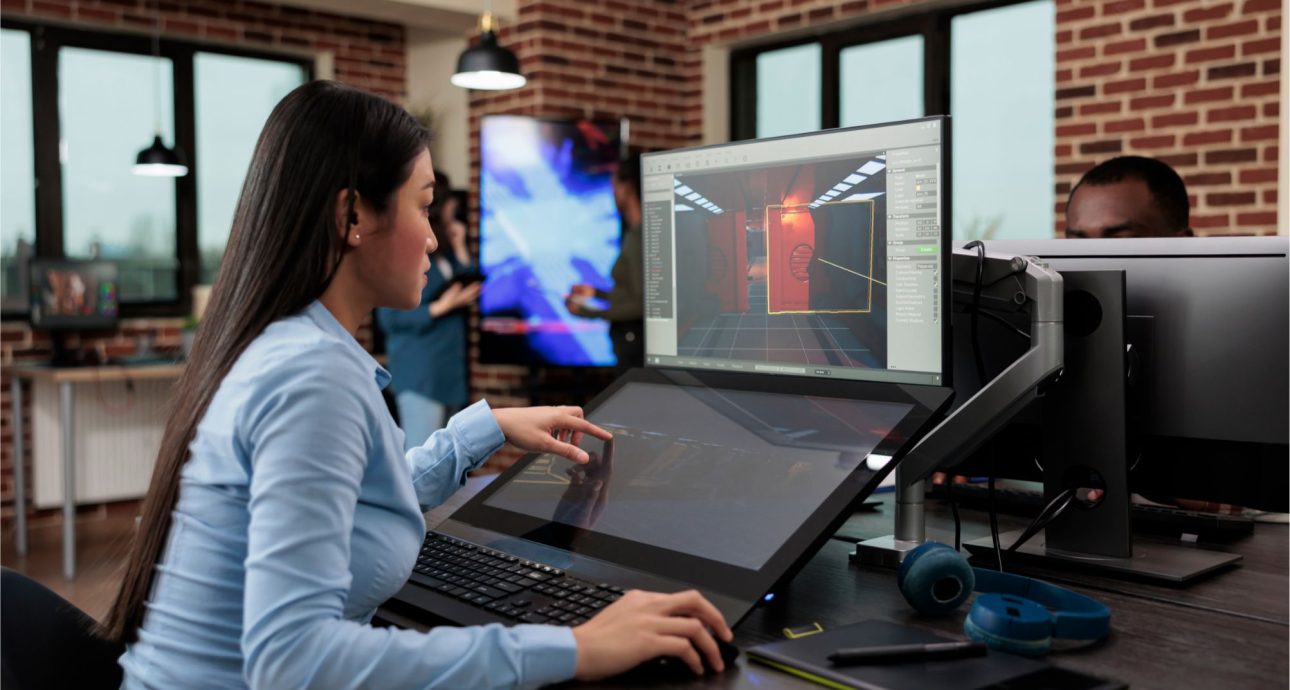
In game development, creativity drives the idea, and deadlines push the work forward. Game development deadlines can feel like a boss fight with no cheat codes, especially when the team wants to build something fresh, playable, and ready for launch.
At our studio, we do not treat creativity and deadlines as enemies. We use structure to protect the creative process. We test ideas early, plan space for feedback, and break big goals into smaller checkpoints.
That balance helps us grow, ship, and keep the spark alive without missing the launch. It also supports a stronger game development process, because every creative decision has a clear place in production.
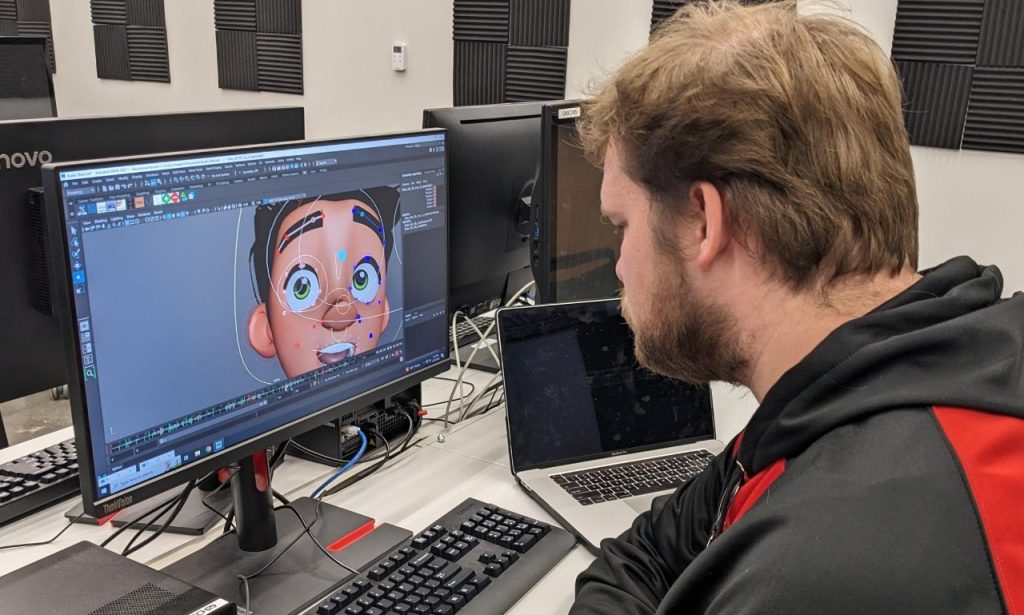
Why Game Development Deadlines Need Creative Structure
A game can start with one strong idea, but that idea needs structure to become playable.
Without a clear plan, the team can spend too much time exploring concepts and too little time building the actual game. Without creative space, the game can feel rushed, flat, or disconnected from the original vision.
This is why we treat game development deadlines as creative guides. They help us decide what needs testing, what needs polish, and what can wait for a later update.
Good structure does not kill creativity. It gives the team a clear path to use it better and keeps the full game production timeline easier to manage.
Prototyping First, Perfecting Later
The idea phase can go in many directions. That freedom matters, but we try not to get stuck there.
We start with quick prototypes. These help us test the core idea before we spend weeks on polish. If a mechanic does not feel fun in a rough version, extra effects, better UI, or polished art will not fix it.
A prototype helps the team answer simple questions early:
- Does the core loop feel fun?
- Can the player understand the goal?
- Does the mechanic support the game idea?
- Does the concept fit the timeline?
- Should we keep it, change it, or cut it?
This approach keeps the team creative within clear limits. Everyone gets room to test ideas, but the project still moves forward. It also makes game prototyping a practical part of production, not a separate creative experiment.
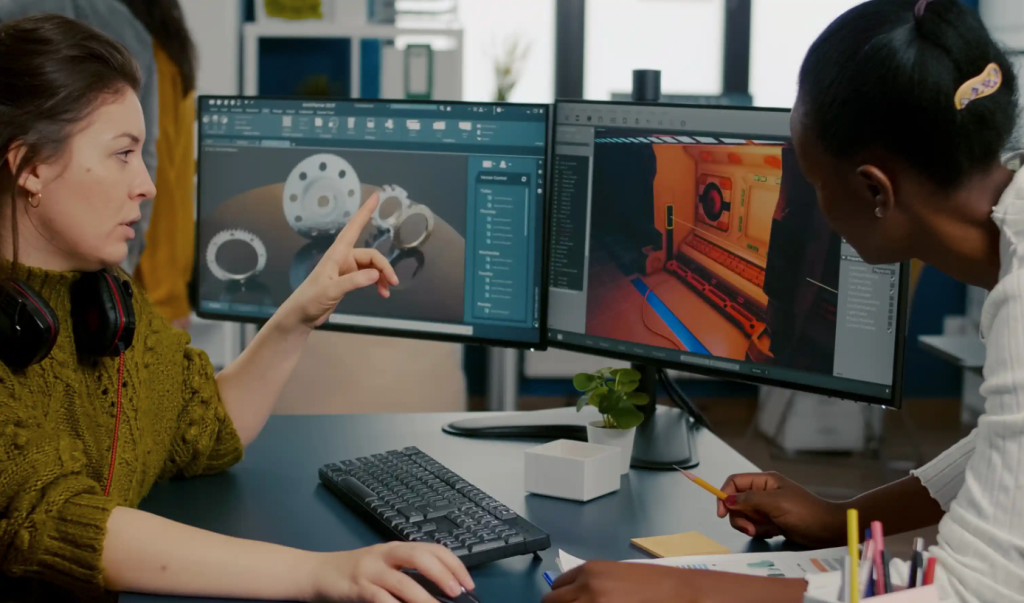
How Creative Blocks Affect Game Production
Creative blocks happen in every game studio.
Writers can get stuck on dialogue. Artists can struggle with a visual direction. Designers can test a mechanic that looks good on paper but feels weak in gameplay.
We do not pretend creativity works on command. Instead, we plan for review time inside the production timeline.
Our team leaves space between sprints so artists, designers, writers, and developers can revisit ideas. This gives people time to improve the work without chasing perfection on the first attempt.
That breathing room helps the game feel more connected. It also reduces rushed fixes near the end of production and supports better creative workflow in game development.
Cross-Team Syncs Keep the Game Vision Clear
Game development needs many people working on the same vision.
Artists, designers, developers, writers, and marketers all see the game from different angles. If they work in silos, small gaps turn into big problems later.
We use weekly syncs to keep the creative vision close to the production plan. These meetings help the team talk through what works, what feels unclear, and what needs adjustment.
This saves time because the team catches issues early.
For example:
- Artists can flag asset needs before development blocks begin.
- Developers can explain technical limits before design expands too far.
- Designers can keep mechanics aligned with player experience.
- Marketers can understand the story and features before launch content starts.
Everyone knows what they are building and why it matters. This keeps cross-team collaboration in game development clear, practical, and tied to the final player experience.
Breaking Big Deadlines Into Smaller Milestones
A single launch date can feel heavy.
So we break game development deadlines into smaller checkpoints. These checkpoints help the team track progress without waiting until the final stage to see what went wrong.
A milestone can cover one clear goal:
- First playable prototype
- Core mechanic test
- Art direction lock
- UI flow review
- Level blockout
- Bug fixing phase
- Trailer assets
- Launch build review
Small milestones keep the team focused. They also make problems easier to solve because we catch them before they spread across the full project.
This makes the deadline feel less like pressure and more like a map. It also helps the team avoid common game development mistakes that show up when feedback comes too late.
Protecting Creativity Without Ignoring the Clock
A game needs creative energy, but it also needs decisions.
At some point, the team has to stop exploring and start locking things in. This can feel hard, especially when everyone wants the game to become better.
We use deadlines to make those decisions cleaner.
If an idea supports the player experience and fits the timeline, we move it forward. If it adds too much risk, we save it for later. This keeps the game focused and protects the team from endless changes.
Creative work still needs limits. Those limits help the team finish what they started and keep the game studio workflow moving without confusion.
Final Takeaway: Ship Without Losing the Spark
Creativity without structure can turn into chaos. Deadlines without breathing room can lead to burnout.
The best game production process needs both.
At our studio, we use game development deadlines to guide the work, not crush it. We prototype early, plan for creative blocks, keep teams in sync, and break large goals into smaller milestones.
That is how we protect the spark, respect the process, and ship games we feel proud of on time.
FAQs
Game studios balance creativity and deadlines by testing ideas early, setting clear milestones, and giving teams space for feedback before final production. This keeps the creative process focused without slowing the project.
Game development deadlines help teams track progress, control scope, and move the project toward launch. They also help artists, designers, developers, and writers work around the same production goals.
Prototyping helps teams test gameplay ideas before they spend time on polish. A quick prototype shows what works, what needs changes, and what should be removed from the project timeline.
Game teams can avoid burnout by breaking large deadlines into smaller milestones, planning review time between sprints, and keeping communication clear across departments. This helps the team stay productive without rushing every task.
6 Comments
[…] creative quality and operational timelines is something every studio lives with. Our post on how our game studio balances creativity and deadlines goes into how we navigate it in practice at Phantom […]
[…] lesson here is simple: When a game invites creative teams input, it becomes more than a product—it becomes a […]
[…] portfolio reel. This same discipline shows up elsewhere in how we work too, whether that’s balancing creativity against deadlines on a live project or thinking through what makes a game’s narrative actually […]
[…] partly as a devlog for Project V. The technical breakdown of the cover system, the pieces on balancing creativity against deadlines, and the commentary on what makes game narratives land all serve the same purpose: they give people […]
[…] same engineering discipline behind Project V’s cover system, narrative design approach, and production structure applies to every client project we take […]
[…] own development: define the core systems first, validate them on paper, then build. Our piece on how we balance creativity and deadlines covers that production philosophy in […]