
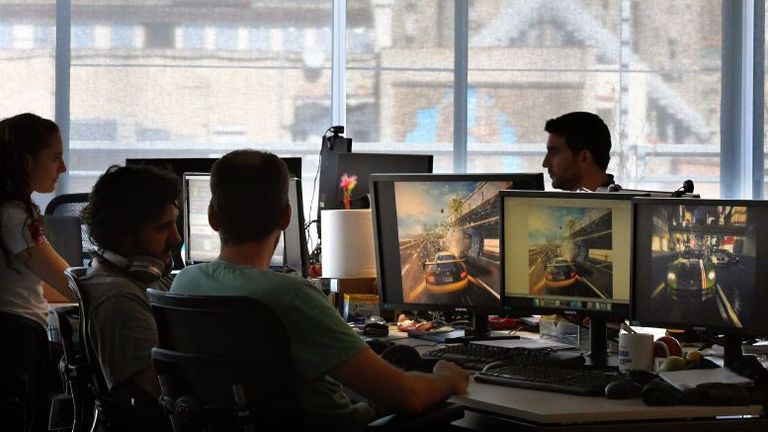
In the past, size mattered. The biggest publishers with the largest budgets dominated the ch2D game arts and set the trends. But the game industry is changing. Today, some of the most talked-about, most played, and most loved games aren’t coming from massive studios —
So how are these smaller studios managing to outperform giants with millions in marketing? The answer lies in community support — and the way these studios are tapping into something the AAA world often overlooks: genuine connection.
More Than Players — They’re Co-Creators
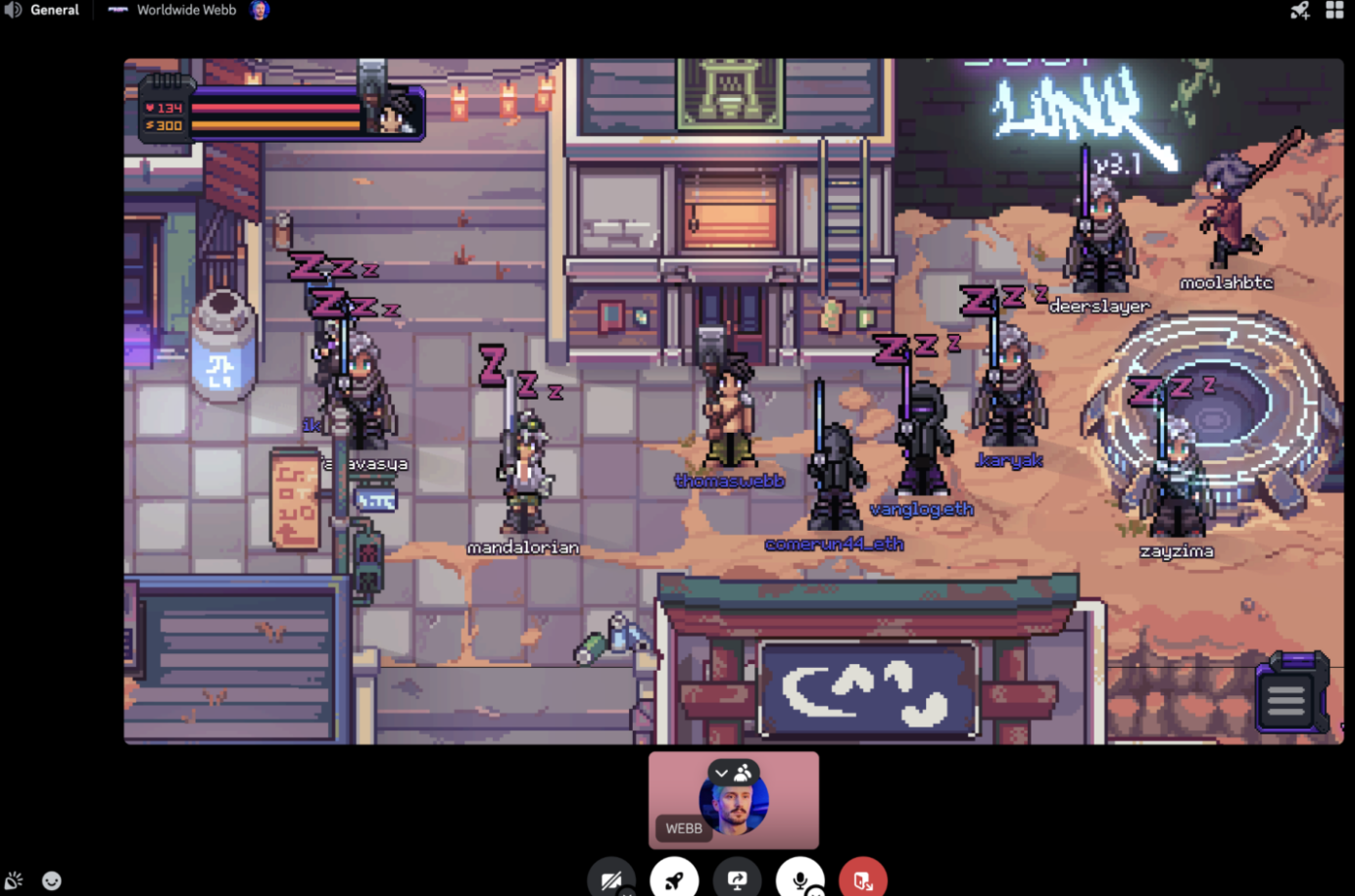
Smaller studios don’t just build games for players — they build games with them. Whether it’s through open development blogs, transparent devlogs, or community Discords, indie developers are inviting their audiences into the process early. They ask for feedback, implement fan-driven innovation suggestions, and even share roadmaps.
This creates more than just a sense of hype. It creates emotional investment. Players who see their ideas and concerns being acknowledged become champions of the project — and that grassroots energy spreads fast.
Authenticity Over Hype
One of the biggest turnoffs in modern gaming is overpromising. Major studios often unveil cinematic trailers years before release, only for the final product to feel disconnected from what was marketed. In contrast, smaller studios are leaning into transparency. They show the bugs. They talk about the budget limits. They keep it real.
Gamers have responded to that honesty with loyalty. The result? Even unfinished or rough-around-the-edges indie titles often get a warmer reception than a flashy AAA game that doesn’t deliver.
Direct Access Builds Trust
A major advantage smaller studios have is proximity. Players can reach the developers directly — whether that’s on Twitter, in a dev stream, or through a weekly update. This open communication builds trust, and when things go wrong (which they sometimes do), the community is far more understanding.
Compare that to the PR walls and generic support tickets often found with large publishers, and it’s clear why players feel closer to indie teams. That relationship becomes a major asset.
Community Amplification Beats Ad Budgets
AAA publishers can spend millions on advertising. But no ad buys loyalty like a fan who shares your game with friends, streams it daily, or creates fan art and mods and game longevity. Indie studios know this — and they create space for their communities to contribute creative processly.
When a player feels seen by the devs — when their meme is reposted or their bug report is fixed — they’re far more likely to promote the game organically. This type of word-of-mouth momentum is something money can’t replicate.
Live Feedback = Better Games
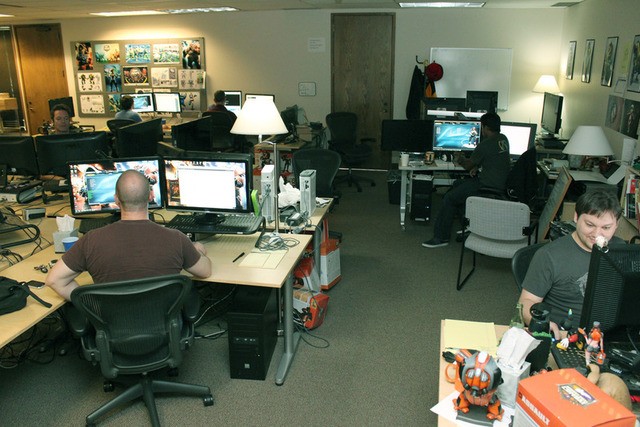
Small teams often develop games in early access or through community-involved testing. This means they can fix issues fast, respond to trends, and make the game more fun in real-time. It’s a level of agility large studios often struggle with due to layers of corporate approval and publishing constraints.
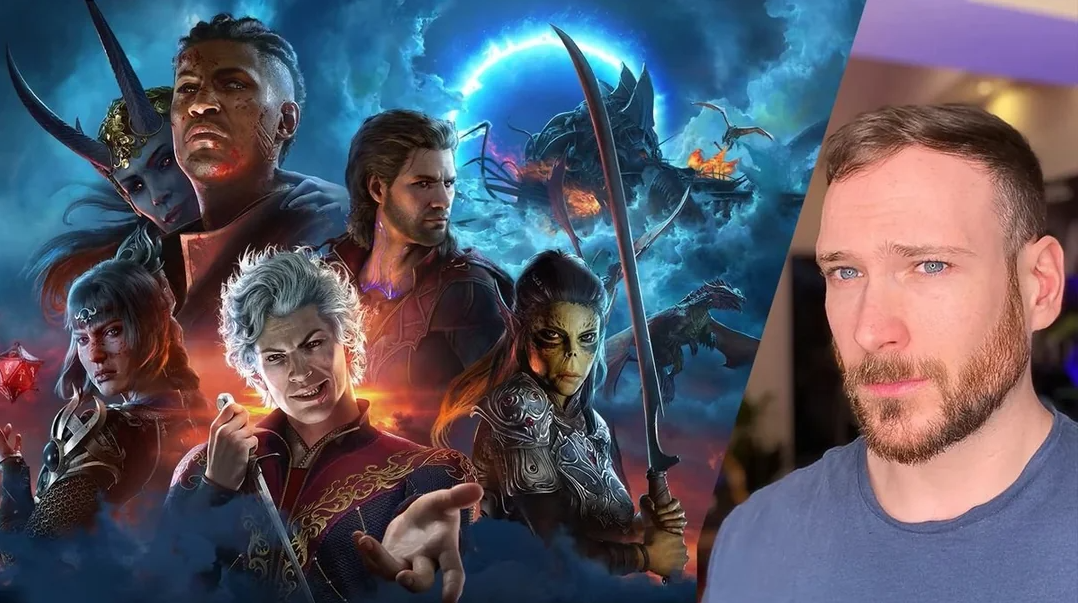
Games like Hades, Valheim, and Baldur’s Gate 3 all benefited from a tight feedback loop with their communities, leading to improvements that directly aligned with what players wanted — not just what execs thought would sell.
It’s Not About Being Perfect — It’s About Being Present
Ultimately, what separates many successful small studios from the giants isn’t better graphics, a bigger team, or massive funding. It’s the willingness to be present with their players. To treat them like partners, not just consumers.
In a world where big-budget games often feel distant and overproduced, that kind of connection stands out — and it’s changing the balance of power in the industry.
Smaller studios aren’t just surviving. With the right community behind them, they’re thriving.
4 Comments
[…] Ukraine has emerged as a talent hub, with skilled developers contributing to global projects and indie community […]
[…] are the clock. Balancing the two can feel like a boss fight with no cheat codes. But for us at the studio community, it’s not just possible — it’s how we grow, ship, and stay sane. Here’s how we make it work […]
[…] community support economy discussions (e.g., trading rare knives in […]
[…] thinking connects directly with our blog on how smaller studios are beating giants with community support. Community is no longer something that happens after launch. It shapes the game before launch, […]