Six months into 2026, players have already shown what they want from new games, old hits, and upcoming blockbusters. The best games of 2026 so far are not only the titles with big budgets or loud trailers. They are the games shaping player behavior, creator content, wishlists, and studio strategy.
For developers and publishers, this matters. A game can define the year before it launches, like GTA 6. A small co-op title can stay relevant long after early access, like R.E.P.O. A climbing game can turn failure into the funniest clip in the group chat, like PEAK.
The best games of 2026 so far point to one clear pattern: players reward games that give them stories to retell. That story can come from a reactive city, a broken physics object, a bad jump, a shared scare, or a hard-won climb.
This is not a fan ranking. It is a developer-focused breakdown of what 2026 is teaching studios right now.
Why the Best Games of 2026 So Far Are Teaching Developers More Than Rankings
The best games of 2026 so far show that success no longer comes from one formula.
Players still care about scale, but scale alone does not hold attention. They care about polish, but polish alone does not create clips. They care about story, but story needs systems, pacing, and characters that make the player feel involved.
This is why GTA 6, R.E.P.O., and PEAK sit in the same conversation even though they are completely different products. One is an upcoming AAA giant. One is a physics-heavy co-op horror hit. One is a co-op climbing game built around shared panic and recovery.
The lesson for studios: stop asking only what players will buy. Ask what players will repeat, record, laugh about, argue about, and send to their friends.
That thinking connects directly with our blog on how smaller studios are beating giants with community support. Community is no longer something that happens after launch. It shapes the game before launch, during launch, and after each update.
GTA 6: The Game Defining 2026 Before Launch
GTA 6 has not launched yet, so the old claim about a May 2025 console launch needs correction. Rockstar currently lists GTA 6 for a November 19, 2026 release on PlayStation 5 and Xbox Series X|S.
That makes GTA 6 unusual in this list. It qualifies for the best games of 2026 so far conversation because it has already shaped the year without being in players’ hands.
Other publishers have to plan around it. Players are watching every trailer frame. Developers are studying how Rockstar builds hype without posting constantly. The game has become a pressure point for the entire 2026 release calendar.
For studios, the first lesson is restraint. Rockstar does not need daily content to hold attention. It gives players enough material to speculate, then lets the audience do the rest.
The second lesson is character investment. Lucia and Jason do more than carry a crime story. They give the audience a human hook before the game launches. That matters because players remember people, not only systems.
The third lesson is production patience. GTA 6 shows that a studio can still make the market wait if the brand promise stays strong. Smaller teams cannot copy Rockstar’s budget, but they can copy the discipline behind the message.
We covered more of that in our internal article on GTA 6 game development lessons, where the focus stays on character, polish, reactive systems, and long production choices.

R.E.P.O.: The Co-op Horror Hit That Understands Shareable Chaos
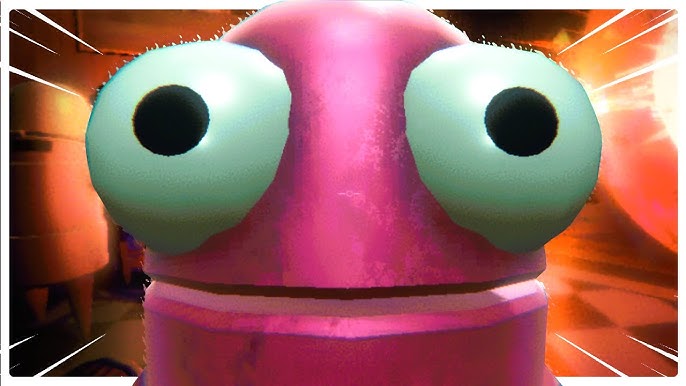
R.E.P.O. launched in early access in 2025, but it still belongs in the best games of 2026 so far discussion because players continue to use it as a social game. Its appeal comes from a simple loop: find physics-based valuables, move them carefully, survive the monsters, and try not to ruin the run.
That loop creates natural tension. The object can break. The monster can interrupt. The team can panic. One wrong move can create a clip that explains the game better than a trailer.
R.E.P.O. also understands low-friction group buying. Co-op games need multiple people to buy in. A lower price helps friends say yes. Once one player convinces the group, the game gets its own social distribution system.
For developers, the lesson is clear: build mechanics that create moments players cannot script.
Physics helps because it creates small accidents. Proximity voice helps because it captures real reactions. Horror helps because panic changes how people talk, move, and make decisions.
R.E.P.O. also supports the point we made in Loot, Mods & Memes: The Unofficial Influencers of Game Longevity. A game lasts longer when players can turn its systems into stories, jokes, clips, and repeatable social rituals.
PEAK: Co-op Failure as a Feature
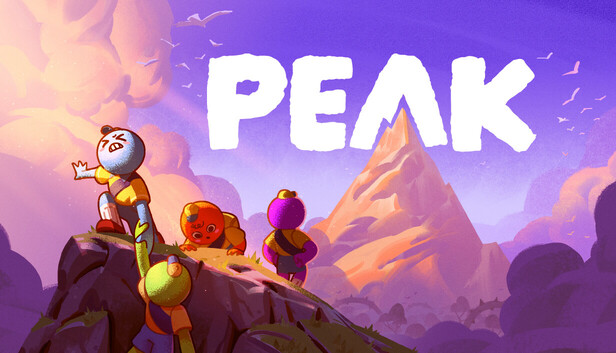
PEAK proves that failure can become the product if the game treats failure correctly.
At its core, PEAK asks players to climb a mountain together. That sounds simple. The tension comes from stamina, injuries, traversal, bad decisions, and the fact that one player’s mistake can affect the whole group.
That is why PEAK fits the best games of 2026 so far theme. It does not make losing feel like wasted time. It makes losing feel like a story.
A failed climb can become the best moment of the session. A bad jump can become the clip everyone replays. A teammate falling at the worst possible second can create laughter instead of rage.
This is a serious design lesson. Many games punish failure with long resets, dead time, or frustration. PEAK keeps the failure social. It lets players blame the mountain, blame each other, laugh, recover, and try again.
The game also uses a strong co-op structure. Players need each other. The mountain changes. The obstacles create pressure. The small decisions matter.
If you design multiplayer games, PEAK gives you one question to ask: does failure create a story, or does it only stop the player?
This connects with our post on how fan ideas drive innovation in game development, because social games grow when players keep feeding the culture around them.
What the Best Games of 2026 So Far Have in Common
The best games of 2026 so far do not share one genre, one budget, or one platform. They share design choices that create memory.
| Game | What Defined It | Developer Lesson |
|---|---|---|
| GTA 6 | Pre-launch hype, character focus, scale | Restraint can create more demand than constant posting |
| R.E.P.O. | Physics-based co-op horror | Give players accidents worth sharing |
| PEAK | Co-op climbing failure | Make failure social, funny, and recoverable |
That is the key shift. Players do not only want content. They want situations.
A situation gives them something to describe later. “We almost made it.” “The object broke at the door.” “The monster heard us.” “We fell right near the top.” These are the lines that sell the game inside friend groups.
This is also why minimalist design can work so well. If the UI fights for attention, the moment loses power. Our blog on minimalist UI for immersive storytelling explains how clean interfaces can keep players inside the experience instead of pulling them out of it.
The 2026 Lesson for Developers: Build for the Clip, But Do Not Fake It
The phrase “make it shareable” can lead teams in the wrong direction.
You cannot force a viral moment with loud editing, random chaos, or fake reactions. Players can sense that. The best games of 2026 so far show a better route: build systems that create honest reactions.
R.E.P.O. does this through fragile objects, monsters, and voice chat. PEAK does it through traversal, stamina, and group risk. GTA 6 does it through anticipation, character detail, and the promise of a reactive city.
The clip works because the moment feels earned.
For smaller studios, this means you do not need a massive map or celebrity trailer. You need a focused mechanic that can create tension, surprise, and replay value.
Ask these questions during prototyping:
- What can go wrong, funnily or dramatically?
- Can players recover from failure?
- Can one player’s choice affect the group?
- Does the game create stories without scripted cutscenes?
- Can someone understand the fun from a 10-second clip?
If the answer is yes, your game has stronger marketing built into the design.
Why Community Matters More in 2026
The best games of 2026 so far also show that the community now works like a second design layer.
Players do not only play the game. They remix it, meme it, clip it, discuss it, test it, and pressure it into new directions. This can help a studio, but only if the core game gives the community something useful to work with.
For live and social games, community support starts with how the game handles feedback. R.E.P.O. benefits from early access because players can feel close to the build. PEAK benefits from group stories because every session can feed a new clip. GTA 6 benefits from controlled silence because fans fill the gaps with theory and analysis.
That gives developers three different community models:
- Listen and update
- Let players create stories
- Use restraint to create speculation
Each model needs discipline. Posting too much can weaken mystery. Updating too slowly can weaken trust. Adding too many features can weaken the core loop.
This is where production balance matters. We discussed that in How Our Game Studio Balances Creativity and Deadlines. Creative ideas need room, but games still need milestones, scope control, and shipping discipline.
What Publishers Should Learn From 2026 So Far
Publishers should read the best games of 2026 so far as a warning against safe thinking.
Players still buy known brands, but they also move fast toward smaller games that feel fresh in groups. A studio with a focused co-op idea can compete for attention against much larger marketing budgets.
That does not mean every studio should make co-op horror or multiplayer climbing. It means every studio should understand the emotional job of the game.
A game can offer pressure. It can offer mastery. It can offer comedy. It can offer status. It can offer story. It can offer a shared disaster.
The clearer that emotional job becomes, the easier it is to design systems, trailers, updates, and community content around it.
If you need a team to build a playable game around a clear production plan, see our service-focused guide on choosing a game development company in the USA or our guide for UK clients looking for an affordable game development studio in the UK.
Ready to Start Your Own Game Development Project?
The best games of 2026 so far prove one thing clearly: players remember games that give them real moments.
That moment can come from a strong character, a chaotic co-op session, a funny failure, or a gameplay loop that keeps people coming back. What matters is the idea behind the game and the team that knows how to build it.
If you have a game idea in mind, Phantom Cave can help you turn it into a clear development plan.
Fill out the form below and tell us what kind of game you want to build. Share the genre, platform, gameplay style, and any reference games you like.
A free game development quote is available for new projects.
The best games of 2026 so far include titles and conversations shaping player behavior, not only games released this year. GTA 6 is defining 2026 through anticipation, while R.E.P.O. and PEAK continue to show how co-op chaos, social clips, and community momentum can keep players engaged.
No. GTA 6 did not launch in May 2025. Rockstar currently lists Grand Theft Auto VI for November 19, 2026 on PlayStation 5 and Xbox Series X|S.
R.E.P.O. matters because it shows how a smaller co-op horror game can grow through physics, proximity chat, group panic, and shareable moments. Its design gives players stories they want to repeat.
PEAK became popular because it turns co-op failure into entertainment. Players climb together, make mistakes together, recover together, and turn failed runs into funny clips.