An affordable game development company isn’t the cheapest one. Cheap studios produce incomplete games, missed milestones, and revision cycles that eat the savings in the first month. Affordable means getting the best possible game for your actual budget — and that requires understanding where game development money goes before you negotiate with anyone.
This guide breaks down game development costs by category, explains six ways to reduce spend without reducing quality, and shows you exactly what a mobile, PC, or full-cycle game should cost when you work with a studio in a cost-efficient market like Pakistan. If you’re a startup founder, brand owner, or publisher evaluating your options, this is the breakdown you need before you request a quote.
This guide is for: founders, startups, and publishers who want to build a game at international standard without paying North American or Western European rates.
Key Takeaways
- Affordable game development is about cost-efficiency, not lowest price. The cheapest quote almost always reflects a scope mismatch or a team that underestimates what you’re asking for.
- Programming and art together consume 55 to 75% of a typical game development budget. Those two categories are where intelligent decisions make the biggest difference.
- Pakistani, Ukrainian, and Polish game development studios offer quality that rivals Western studios at 40 to 65% lower rates. For most mobile and PC projects, the right international partner is more cost-effective than hiring in-house or working with a North American studio.
- Scope definition before production is the single most powerful cost-reduction tool available. Every hour spent defining the game before development begins saves three hours of expensive revisions later.
- Phantom Cave Studio is an affordable game development company based in Karachi, built at the National Incubation Center, with a catalog of shipped mobile titles and an active PC game in development for Steam.
Where Game Development Money Actually Goes
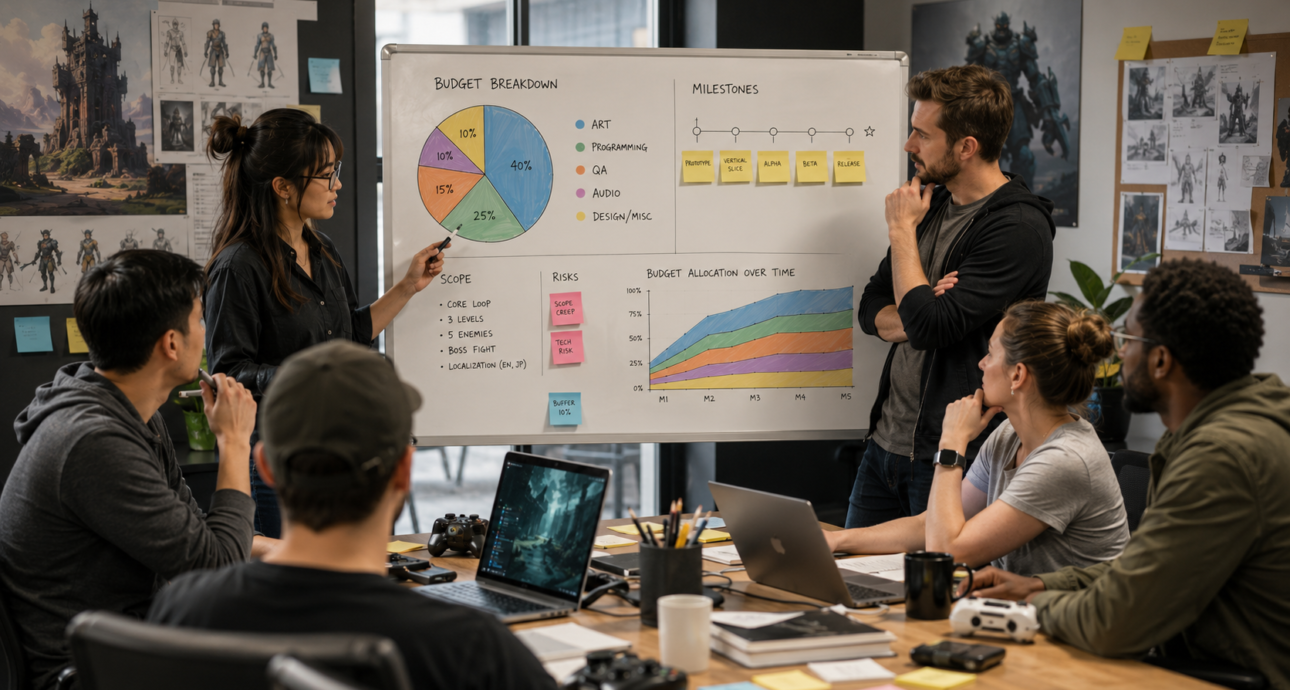
Most founders are surprised by the distribution when they see it for the first time. The assumption is that programming is the dominant cost. In practice, art and animation often rival or exceed programming spend — especially on mobile titles where visual quality drives first-impression conversion on the App Store and Google Play.
| Cost Category | Typical % of Budget | What It Covers |
|---|---|---|
| Programming | 30–40% | Game systems, UI logic, platform integration, multiplayer |
| Art and Animation | 25–35% | Characters, environments, VFX, UI art, cutscenes |
| Game Design | 10–15% | Level design, systems design, game economy documentation |
| QA and Testing | 10–15% | Bug finding, regression testing, playtesting across devices |
| Audio | 5–10% | Music, sound effects, voice acting |
| Project Management | 5–10% | Coordination, client communication, milestone tracking |
The categories most founders underestimate are QA and project management. Both feel like overhead until a build ships with a game-breaking bug on day one, or until a studio with no project management structure misses a milestone and can’t explain why. An affordable game development company builds both into the quote upfront, not as a surprise line item after production starts.
6 Ways to Reduce Game Development Costs Without Cutting Quality
These six approaches are how an affordable game development company — and an informed client — get more game for the same budget. None of them involve cutting corners. All of them involve making better decisions before development starts.
1. Scope Your Game Ruthlessly Before You Start
Scope creep is the number one driver of game development cost overruns. Features added mid-production that weren’t in the original design don’t just add their own cost — they force rework on systems already built around a different scope.
Every hour spent defining the game before production begins saves three hours of expensive changes later. Define the minimum viable version of your game: the smallest build that’s worth publishing, with a complete core loop and enough content to justify the price. Everything above that minimum is expansion scope with its own funding requirement.
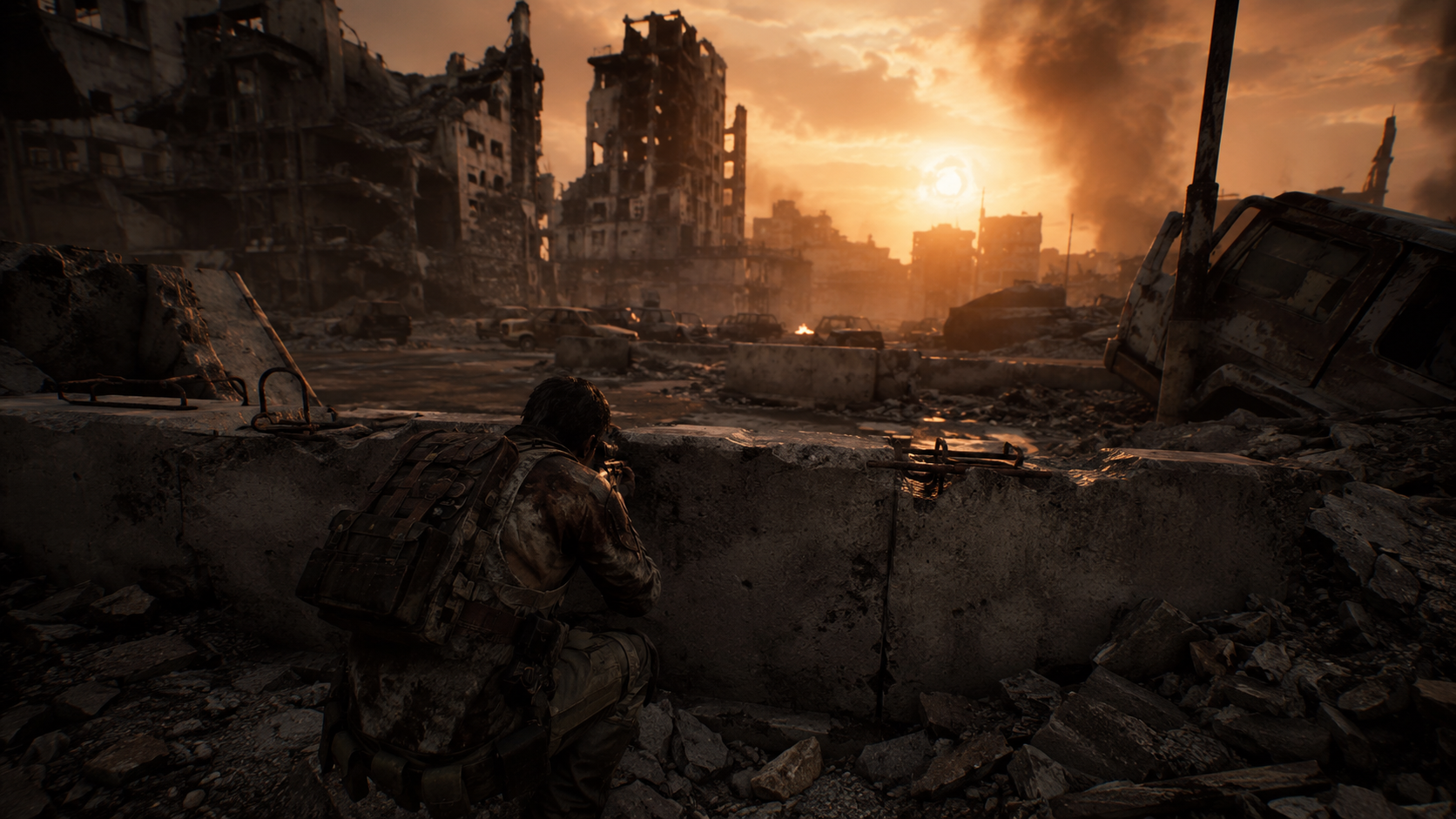
This is the same principle behind the vertical slice approach discussed below, and it’s the same logic we applied to Project V — defining the core cover-based survival loop before building any supporting systems on top of it.
2. Choose the Right Platform for the Budget
Mobile games are cheaper to build than PC games. PC games are cheaper than console games, which require platform certification fees, development kits ($2,500 to $10,000 per kit), and an additional QA pass for submission compliance. If your concept works on mobile, building for mobile first is the most cost-efficient path to a shipped product and real player data.
For context on full platform cost ranges, see our dedicated breakdown in how much it costs to develop a game.
3. Use Asset Libraries for Non-Hero Content
The Unity Asset Store, Fab (Unreal Engine’s marketplace), and sites like Kenney.nl offer high-quality game assets at a fraction of custom creation cost. For elements that don’t define your visual identity — generic background props, ambient sound effects, UI components — purchased assets are a smart, legitimate cost reduction.
The rule is simple: custom art for what players look at directly, purchased or modified assets for everything else. A studio that insists on building every asset from scratch for a casual mobile title is either inexperienced or overbilling.
4. Work With a Studio in a Cost-Efficient Market
Pakistani, Ukrainian, and Polish game development studios offer quality that rivals Western studios at 40 to 65% lower rates. This isn’t a compromise — it’s a market reality driven by differences in cost of living, not differences in technical training or engineering discipline.
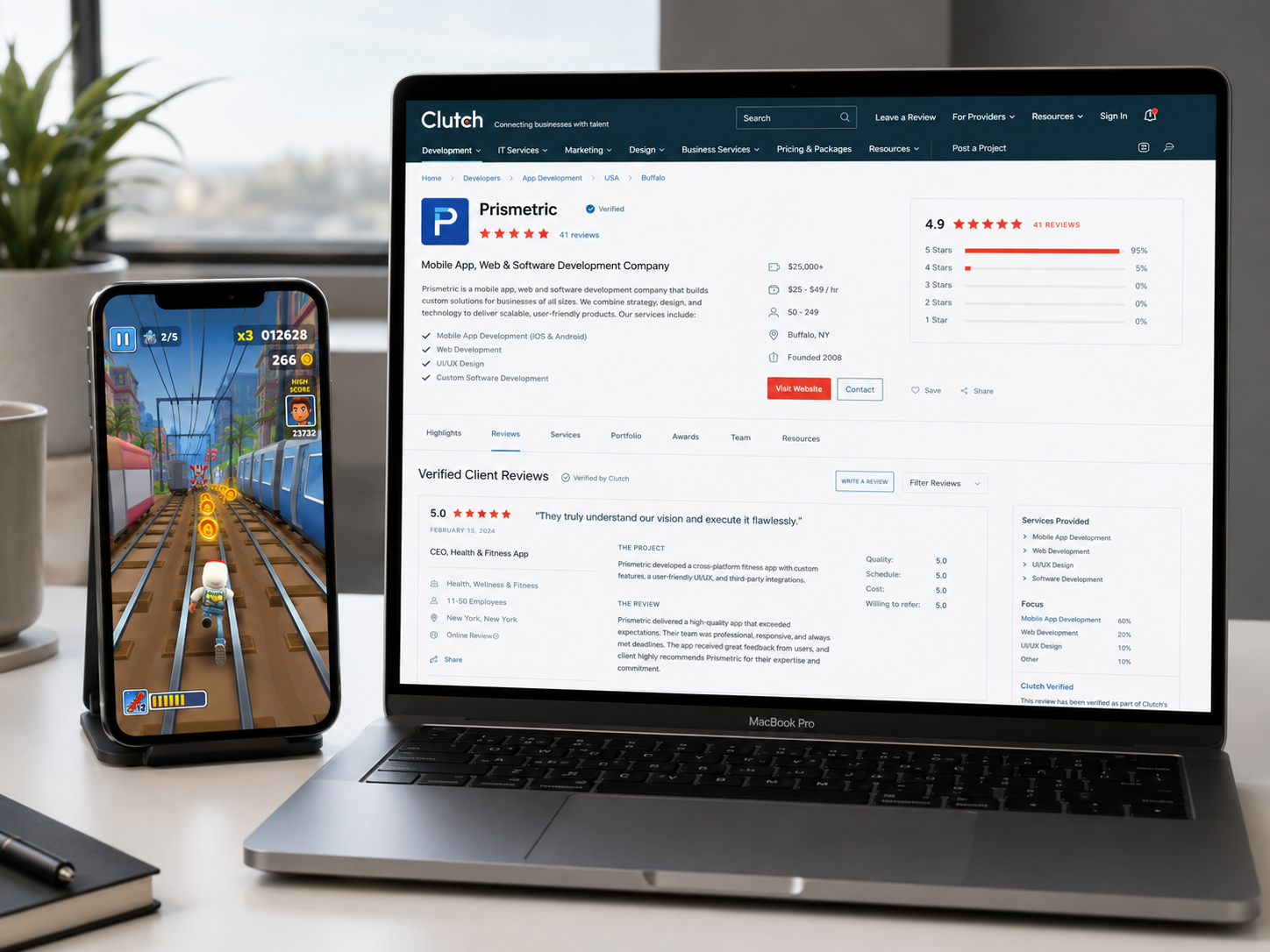
The right international studio handles everything from concept and design through development, testing, and publishing support. The question isn’t whether international studios can match Western quality — the technical capability is demonstrably there at the best studios. The question is whether you’ve vetted the specific studio correctly. Verified Clutch reviews, named shipped titles, and a paid pilot engagement answer that question faster than any portfolio review.
At Phantom Cave Studio, our mobile game development and 3D game development services run at Pakistan-based rates that put full-cycle development within reach for startups and mid-size publishers who can’t access AAA studio pricing.
5. Use AI Tools in the Production Pipeline
AI tools have matured enough in 2026 to produce genuine cost savings at specific production stages. Concept art generation, texture variation, QA automation scripts, and procedural level content generation all reduce billable time without reducing output quality. AI in game development now enhances creativity and automation, reshaping how studios approach asset production and immersive gameplay pipelines.
The key is using AI tools for the right tasks. AI-generated concept art helps designers iterate faster in pre-production. It doesn’t replace the final art pass that defines a game’s visual identity. AI-assisted QA catches regression bugs efficiently. It doesn’t replace human playtesting that catches feel and pacing problems a script can’t identify. Studios that understand where AI accelerates and where it falls short use it as a cost lever. Studios that apply it indiscriminately produce work that looks and plays like it was made by a cost lever.
6. Build a Vertical Slice Before Full Production
A vertical slice is a polished 5 to 10-minute section of your game that demonstrates every major mechanic and the visual style at full quality. Building it before committing to full production validates the concept on a fraction of the total budget.
Vertical slices catch design problems early — systems that don’t feel good in play even when they look good on paper, art styles that need more production time than estimated, or core mechanics that need fundamental rethinking before they scale to a full game. Discovering those problems in the vertical slice costs 10 to 20% of what discovering them in full production costs.
What an Affordable Game Development Company Should Cost in 2026
These figures reflect 2026 market rates for outsourced development with a quality studio in a cost-efficient market. They assume a vetted partner with transparent scoping — not the lowest bid on a freelance marketplace.
| Game Type | Budget Range (Pakistan-based studio) | Timeline |
|---|---|---|
| Hyper-casual mobile | $8,000–$25,000 | 6–12 weeks |
| Casual mobile (mid-complexity) | $25,000–$80,000 | 3–6 months |
| Mid-core mobile game | $80,000–$200,000 | 6–12 months |
| PC indie game | $50,000–$250,000 | 6–18 months |
| PC AA title | $250,000–$800,000 | 12–30 months |
A quote 40% below these ranges from any studio usually means one of three things: a smaller team than the scope requires, a delivery timeline that has no room for iteration, or scope assumptions the studio made without asking. A quote 40% above these ranges from a US or Western European studio for the same scope reflects a cost of living difference, not a quality difference.
For a broader comparison of rates across US studios versus international alternatives, see our guide to top game development companies in the USA.
How to Verify an Affordable Game Development Company’s Quality
Low price is easy to find. Affordable quality requires verification. The difference between a partner that delivers a commercially viable game and one that delivers a technically complete disappointment is rarely visible in a portfolio review.These are the checks that actually matter.
Third-party verified reviews. Platforms like Clutch and GoodFirms verify reviewer identity and audit submissions. A studio profile on either platform with consistent reviews is a stronger trust signal than testimonials on the studio’s own site. Client feedback, verified reviews, and ratings from platforms like Clutch and GoodFirms are how buyers distinguish reliable game development service providers from the rest of the market.
Shipped, playable titles. A live game on the App Store, Google Play, or Steam is a different thing from a polished demo built to impress during a sales call. Request links to games you can actually download and play.
Named engineering specifics. Ask which systems the team has built before: multiplayer netcode, inverse kinematics for character animation, mobile performance optimization across low-end Android devices. The technical breakdown of Project V’s cover system is an example of what a studio that has actually solved hard engineering problems can produce. Vague answers about tools and engines are not.
A paid pilot before the full contract. A two to four week scoped task at the start of any engagement validates communication rhythm, code quality, and delivery consistency before either side commits to a six-figure contract.
Phantom Cave Studio: Affordable Game Development to International Standards
At Phantom Cave Studio, affordable game development means transparent, efficient, and fully accountable, not rushed and not low-quality. We’re a full-service game development company based in Karachi, incubated at the National Incubation Center, building games for international clients at Pakistan-based rates.
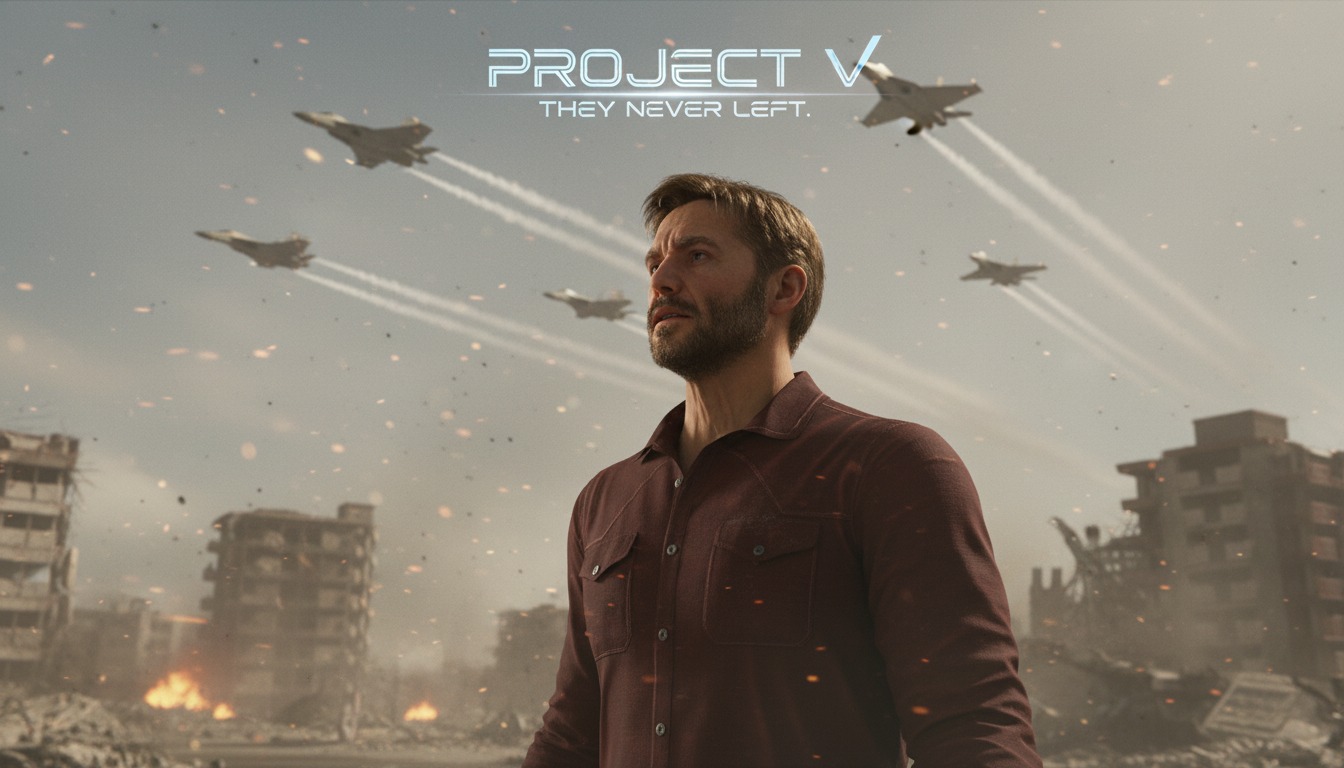
Our shipped catalog includes casual and mid-core mobile titles across puzzle, racing, and strategy genres. Our PC title, Project V, is a post-apocalyptic narrative survival game in active development for Steam. The same engineering discipline behind Project V’s cover system, narrative design approach, and production structure applies to every client project we take on.
Our game development company page covers our full service range. We also work with clients based in California, Texas, New York, UK, and beyond. For founders who want to understand whether a mobile-first or full-cycle approach fits their concept, our game development ideas guide walks through that decision in detail.
Ready to Build Your Game Without Overpaying?
An affordable game development company earns that label by delivering quality at a price point that makes serious game development financially viable. The studios that do it reliably scope correctly, communicate transparently, and have the shipped portfolio to back their claims.
At Phantom Cave Studio, we’re ready to show you what that looks like in practice. Browse our projects, read the technical work behind Project V, and then get in touch to talk through your project.
Frequently Asked Questions
A simple hyper-casual mobile game built by a quality studio in Pakistan runs $8,000 to $25,000. Casual mid-complexity mobile games run $25,000 to $80,000. Mid-core mobile titles with multiplayer or live ops systems run $80,000 to $200,000. These figures assume a vetted studio with transparent scoping, not the lowest bid on a freelance marketplace.
The most effective cost reduction strategies are: define your minimum viable scope before production starts, choose the right platform for your budget, use asset libraries for non-hero content, work with a studio in a cost-efficient market like Pakistan, use AI tools for asset variation and QA acceleration, and build a vertical slice before committing to full production.
A vertical slice is a polished 5 to 10-minute section of your game that demonstrates every major mechanic and the visual style at full quality. It’s built before full production begins, typically on 10 to 20% of the total projected budget. Its purpose is to validate the concept before the full budget is committed to an unproven design.
Yes. We build full-cycle mobile and PC games at Pakistan-based rates for international clients in the UK, USA, Canada, and beyond. Our rates run $18 to $45 per hour depending on discipline and seniority, compared to $80 to $200 per hour at US boutique studios for comparable expertise. Get in touch to discuss your project and scope.
1 Comment
[…] studio who want to understand how engine choice affects budget, timeline, and hiring, our affordable game development guide covers that in […]