
A game development company in Pakistan now offers something studios in the UK, Canada, and the US have been searching for: senior-level talent without senior-market prices. Pakistan ranks as the second-largest mobile game developer in its region, behind only Vietnam.
This guide breaks down what hiring a game development company in Pakistan actually costs. It compares the talent pool to India, Eastern Europe, and Southeast Asia. It covers what to check before you sign with a studio, and which engagement model fits which project. If you’re evaluating a game development company in Pakistan as your next development partner, read this before you request a quote.
Who this guide is for: game publishers, indie developers, and studio founders evaluating a game development company in Pakistan for full-cycle development, co-development, or specialized services like art and mobile builds.
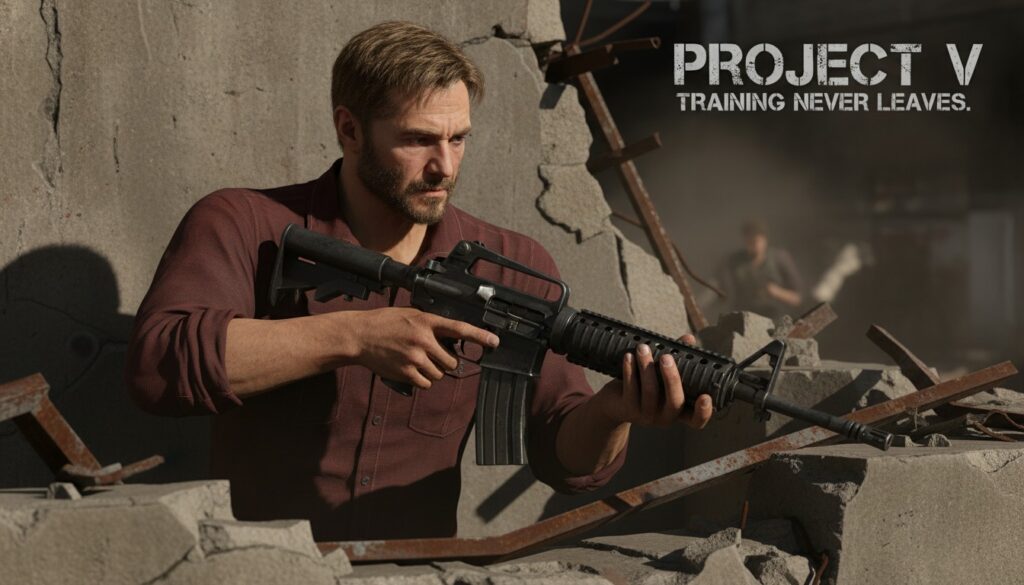
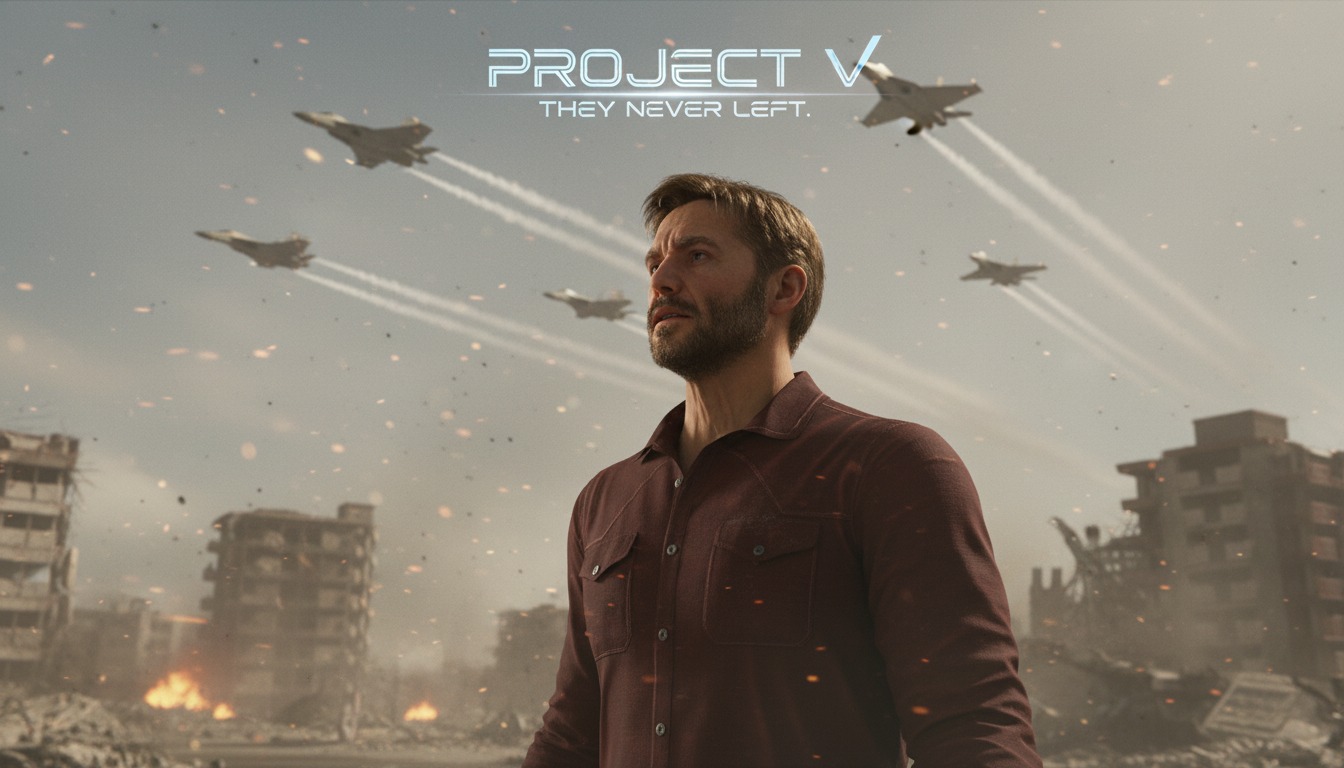
At Phantom Cave Studio, we wrote this guide from the inside. We’re a Karachi-based studio building Project V, a post-apocalyptic narrative survival game on Steam, alongside a catalog of shipped mobile titles. What follows draws on what we’ve learned vetting our own pipeline against international client expectations.
Key Takeaways
- Pakistan’s game development industry grew from scattered freelance work into a structured sector, driven by IT incubators, training pipelines, and reliable payment infrastructure.
- Hourly rates for a typical game development company in Pakistan run $18 to $45. That undercuts Eastern Europe ($30-$60) and matches or beats India ($25-$55) on senior-level work.
- Studios in Karachi, Lahore, and Islamabad handle full-cycle mobile development, Unity and Unreal Engine projects, and specialized work like multiplayer systems and AR/VR.
- The biggest risk isn’t cost or skill. It’s vetting. Verified reviews, named past work, and a paid pilot project matter more than a polished pitch deck.
- Time zone overlap and English proficiency are no longer the obstacles they were a decade ago. They still need deliberate scheduling.
Why a Game Development Company in Pakistan Makes Sense Today
Pakistan’s path into game development didn’t start with a government initiative or a major studio setting up shop. It started with isolated developers teaching themselves Unity and C# through tutorials. No local mentorship existed. No playbook existed either.
Nousherwan Malik, CEO of Apex Logics, has watched demand from international clients grow more focused over the past three to five years, according to reporting in The Express Tribune. Studios now need to deliver retention, live ops, and monetization knowledge, not just a finished build. International studios have also grown more comfortable fully outsourcing projects to remote Pakistani teams with a proven track record.
That shift took most of a decade to build. Training institutes appeared. Local studios took shape. Global payment infrastructure made it easier for Pakistani teams to invoice international clients and get paid reliably. The country has since grown into a regional force, ranked as the second-largest mobile game developer in its region.
Three factors explain why buyers keep choosing a game development company in Pakistan.
A Large, Young Technical Workforce
Pakistan’s IT graduate output keeps expanding. That feeds a pipeline of Unity and Unreal Engine developers who learned the engines on real shipped projects, not classroom theory alone. Our own 3D Game Development team grew out of exactly this pipeline.
Government and Incubator Backing
Tech incubators like the National Incubation Center in Karachi now host dedicated game studios. Early-stage teams get structured mentorship and funding access. That helps them operate like a real business instead of a freelance collective.
A Cost Structure That Holds Up
Lower cost of living means lower hourly rates. It doesn’t force studios into a race-to-the-bottom trade-off. A developer who costs $25 an hour in Karachi would cost $80 or more in London or Toronto for comparable output.

How Much Does a Game Development Company in Pakistan Cost?
Cost is the question most buyers ask first. It deserves a direct number, not a vague range.
| Region | Hourly Rate (USD) | Best For |
|---|---|---|
| Pakistan | $30-$60 | Full-cycle mobile, Unity/Unreal projects, art production |
| India | $50-$80 | Scale hiring, enterprise integrations |
| Eastern Europe (Poland, Ukraine, Romania) | $60-$85 | AAA/AA complexity, technical rigor |
| Southeast Asia (Philippines, Vietnam) | $40-$75 | Art and animation outsourcing |
| North America / Western Europe | $80-$150 | In-house equivalent, full control |
A 20-person in-house team costs $2.4 million to $4.8 million a year once you factor in salaries, office space, hardware, and management overhead. That’s before a single line of gameplay code ships. A specialized game development company in Pakistan typically delivers the same scope for a fraction of that. Full-cycle mobile game development runs $20,000 to $250,000, depending on complexity and platform.
Typical Project Pricing
- Hyper-casual mobile games: $15,000-$40,000 for a polished build with simple core mechanics
- Casual games with progression systems (match-3, idle, puzzle): $35,000-$75,000
- Mid-core titles with multiplayer or live ops systems: $100,000-$400,000, depending on scope
- Co-development or staff augmentation: billed hourly, typically a 3-6 month minimum engagement
These figures assume a vetted studio with a transparent scoping process. A quote 40% below this range usually means a smaller team, a less experienced one, or a longer revision cycle.
Pakistan vs India: Comparing Game Development Companies
Buyers often shortlist Pakistan and India together. Both offer similar time zones for UK clients. Both have overlapping cost bands. The two markets still aren’t interchangeable.
India wins on scale. A larger talent pool and more established studios make India the stronger pick when a project needs a large team fast, or needs integration with existing enterprise software.
A game development company in Pakistan tends to win on cost-to-senior-talent ratio. The outsourcing market is younger and carries less agency overhead. Senior Pakistani developers often come in below their Indian counterparts for comparable output, especially on mobile and Unity-based projects.
Both markets demand the same vetting discipline. Cheap doesn’t mean low quality, and geography alone doesn’t predict capability. Individual studio track record matters more than country of origin.
For most buyers, the deciding factor comes down to project type. Enterprise-scale, multi-discipline builds tend to favor India’s broader bench. Focused mobile and indie-scale projects with tighter budgets tend to favor a leaner game development company in Pakistan.
Choosing an Engagement Model
Not every project needs the same relationship with a studio. Three models cover most use cases.
Full-Cycle Development
The studio owns the project end to end. That spans concept, prototyping, art, programming, QA, and store submission. This model fits founders and small publishers without an internal production team who need one accountable partner. Our Mobile Game Development service runs on this model.
Co-Development
The studio works alongside an in-house team. It typically takes ownership of specific systems like combat mechanics, multiplayer netcode, or art pipelines, while the client keeps creative direction. This model fits established studios that want to keep core IP control in-house while scaling production for a defined sprint.
Staff Augmentation
Individual developers or small pods join an existing team structure. They report into the client’s pipeline and tools rather than running an independent workflow. This model fits studios with strong internal processes that just need more hands.
Matching the Model to the Project
Outsourcing gives studios access to a worldwide talent pool. It cuts costs and adds flexibility to scale up or down as needed. Real challenges remain too: communication gaps, IP protection, and the need for strict quality control. The model you choose should map to how much production oversight you’re prepared to provide, not just which option sounds cheapest on paper.
How to Vet a Game Development Company in Pakistan
The biggest risk in outsourcing isn’t price or even skill gaps. It’s choosing a studio based on a polished pitch instead of verifiable proof.
Check for third-party verified reviews. Platforms like Clutch run identity verification on reviewers and audit older reviews against their standards. That makes a Clutch profile a stronger trust signal than testimonials on a studio’s own site.
Ask for shipped, playable work. Trailers and concept art don’t confirm a studio can finish a project. A live mobile title on the App Store or Google Play does. So does a Steam page for a PC build, like Project V.
Request a small paid pilot first. A two-to-four-week scoped task tests communication style, code quality, and turnaround speed before either side commits to a larger contract.
Ask about the engineering specifics, not just the engine name. “We use Unity” tells you nothing. Ask what systems the team has built before: multiplayer netcode, character animation, mobile performance tuning for low-end Android devices. Specific answers separate studios that have solved hard problems from ones reciting a service list.
Verify team size matches the project. A studio claiming full-cycle AAA capability with five employees is a mismatch. Cross-reference LinkedIn employee counts against the scope they’re proposing.
Get IP assignment and milestone terms in writing. This applies no matter which country the studio operates in. It’s the most common source of dispute when outsourcing relationships go wrong.
What International Buyers Should Know
Time zone overlap is smaller than working with a Latin American nearshore team. It’s still manageable with deliberate scheduling. Pakistan Standard Time sits five hours ahead of UK time and roughly nine to twelve hours ahead of US time zones. Daily standups work best when scheduled for UK late afternoon or US early morning. We cover region-specific logistics in more detail on our pages for teams hiring from Texas, California, and the UK.
English proficiency isn’t the friction point it was a decade ago. Most studios use English as the default working language for documentation, code comments, and client communication. That’s a byproduct of the same IT outsourcing industry that built the country’s broader software export sector.
Payment infrastructure has matured. International wire transfers, Payoneer, and milestone-based contracts through platforms like Upwork have normalized cross-border payment. That removes most of the friction that once made hiring a game development company in Pakistan feel risky to first-time buyers.
One gap remains: reputation infrastructure. Fewer Pakistani studios carry the same density of Clutch reviews or named enterprise clients as established Eastern European or Indian outsourcing brands, simply because the market is younger. That makes the vetting steps above matter more, not less.
2 Comments
[…] is the same reasoning behind our guide to choosing a game development company in Pakistan: ask for a walkthrough of a specific system, not a list of engines and tools. The answer tells you […]
[…] to understand what the options look like before that conversation, browse our work and read how we build for international clients at affordable […]